April 17, 2026
What they lack is courage, not resources
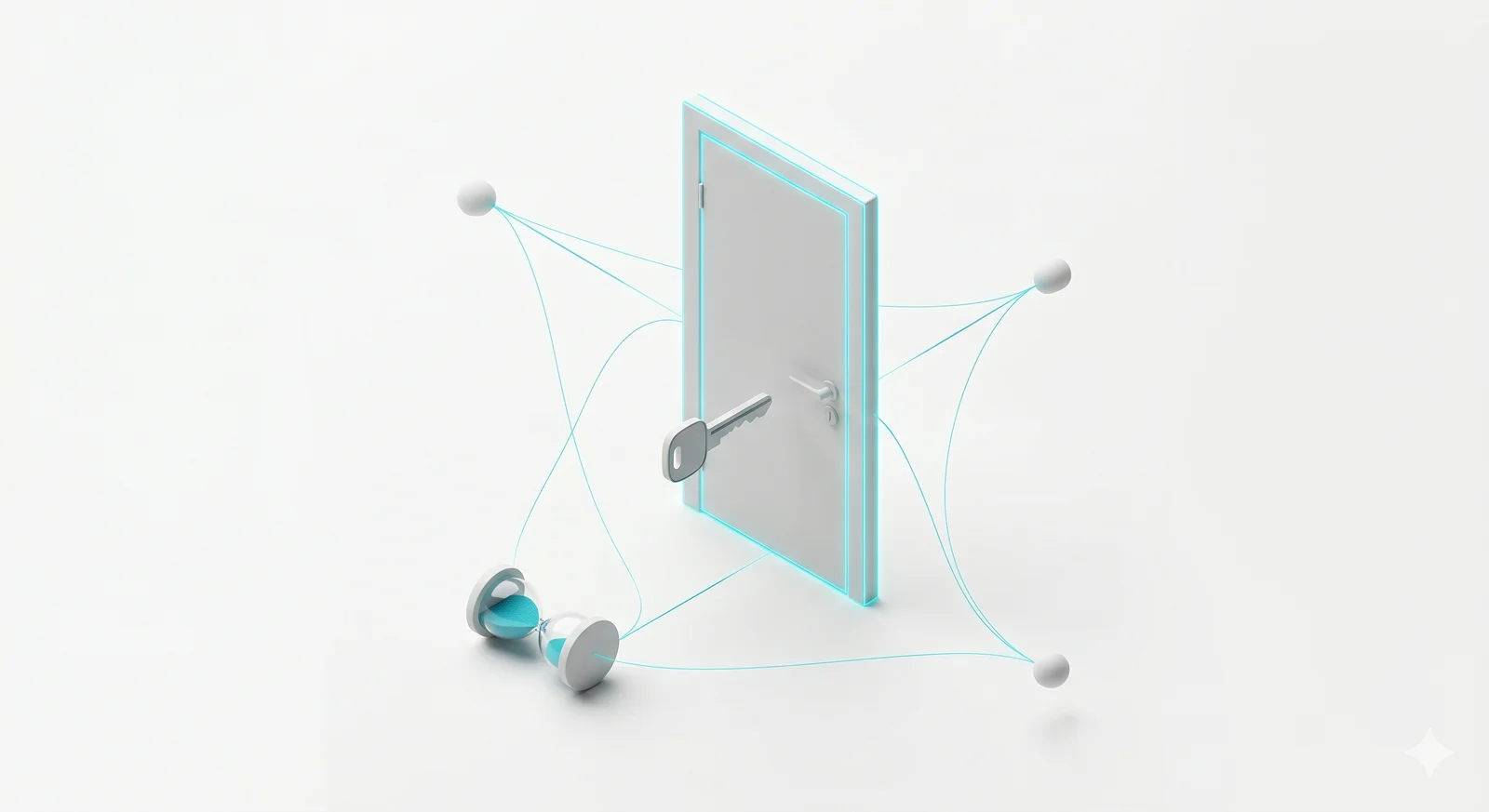
The live events and experiences industries are creative fields that endlessly talk about innovation, digitalisation and new revenue models. Their professional gatherings are full of slide decks and noble words. And then in practice you see this:
– one solution for ticket sales – another for merchandise – a third for parking – a fourth for food and beverage – a fifth for some fifth thing and finally … accounting, into which all of those mountains of data are transcribed and posted by hand.
Advanced business analytics? Never heard of it. Data is entered manually into an endless collection of "little Excels" that no one can map to a purpose any more and that are packed with wrong numbers. Closing the books pushes the organisation into a near-coronary state, and digging through paper slowly kills the staff's will to live.
Fragmented systems. Disconnected data. Manual processes.
When I propose an integrated platform to the management of such an organisation — one that can bring all these processes into a single ecosystem — the answers are more or less standard. And quick, because they are stereotypes. "Now is not the right time." "We don't have enough people." "Our budget for the year is already allocated." "Maybe next year." "We are thinking about it, but something more urgent always comes up."
Three years later — same systems, same problems, same manual processes, same coronary state, same tired and defeated faces. The only thing that has changed is that "now is not the right time" has lasted 36 months. Two years later … the same story.
The problem is not technology
In most organisations the problem is not the technology. Nor is it a chronic shortage of resources. The problem is the fear of change hiding behind rational-sounding excuses.
Digital transformation rarely, almost never, fails because of a lack of solutions. It usually fails because of a lack of decision. And of that basic human courage to actually make one. The status quo is painful and we don't like it, but it is safe, because at least we know where we stand.
The right question
So perhaps the most important question for the management of every organisation today is not: "Do we have the resources for change?" The real question is: "What is it actually costing us to do nothing for three years?"
Related stories


Ready for the next step?