April 17, 2026
Analysis: marketing and sales at NK Celje
The key trigger: moving to the Mojekarte platform
When the rise of NK Celje is analyzed today, most commentary stops at sporting results, the title, European matches, the coaching approach. In the background, however, sits a far more prosaic yet genuinely pivotal shift: the club's move to a single Mojekarte platform.
This transition was much more than a simple swap of a ticketing system. Under one roof the club unified ticketing, marketing, merchandise and hospitality, centralised fan data and built the foundations of its own information ecosystem. For the first time it had a tool with which it could treat a fan as a user across the full life cycle — from first contact to repeat purchases, from match to merch, from fan experience to VIP offering.
The resulting difference is the difference between an operational club that sells tickets and a data-driven organisation that manages fan relationships. This shift is not cosmetic — it opens entirely different business scenarios.
1. Digitalisation as a consequence, not a starting point
Marketing digitalisation at clubs is usually presented as a starting point — digitalise first, results will follow. NK Celje took a different path. For them, marketing digitalisation is a consequence of having unified infrastructure, not its precondition.
The platform enabled systematic collection of purchase, attendance and behaviour data, fan segmentation, and substantially more targeted e-mail and campaign communication. Marketing shifted from posting on social channels and sending occasional newsletters into a directed system in which every communication stems from a concrete data basis.
2. Sales: from a matchday model to continuous revenue
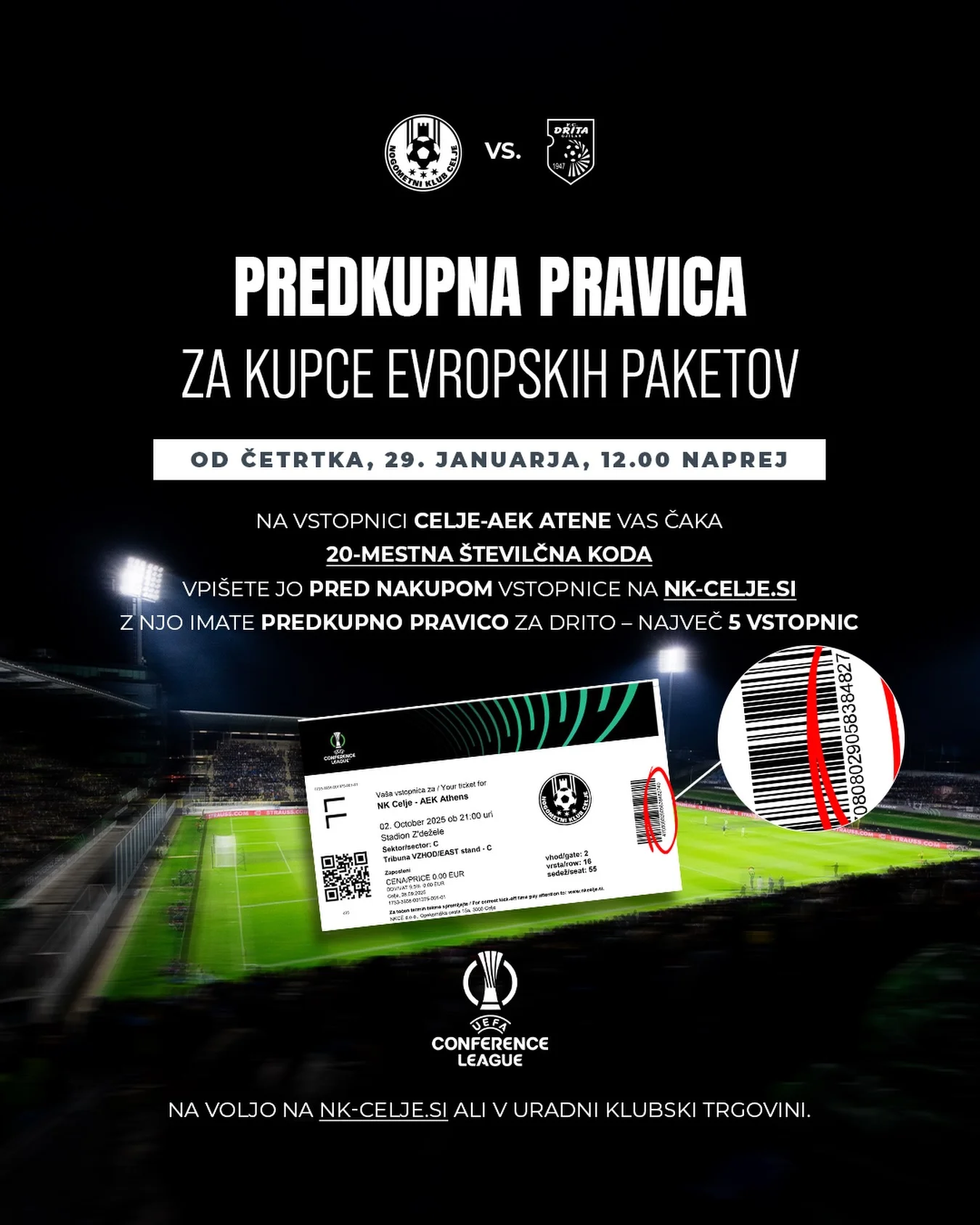
The most tangible business shift sits in the revenue structure. In the traditional approach the ticket was a one-off event — the buyer arrives, pays, leaves. With integration inside a single platform, the same user becomes a potential revenue source across a longer period: ticket, merch, VIP or hospitality package, subscription for upcoming matches, gift cards.
That opens two mechanics practically non-existent at clubs without a unified platform. The first is cross-sell: a buyer of a match ticket is shown an offer for a jersey or scarf. The second is upsell: a fan who has reliably bought a standard ticket for two seasons receives a personalised VIP experience offer. Both rely on the same precondition — you have the data and a system that knows how to use it.
3. Sponsorships become measurable
The sponsorship market has shifted significantly in recent years. Partners no longer want to pay for a logo on a jersey without knowing what they actually get. With a unified system, the club can show a partner concrete numbers — activation reach, attendance, behavioural patterns of fans, the performance of individual campaigns.
This moves the conversation with a sponsor from "how much does the package cost" to "what do we deliver to you", with data on the table. For a club without the large market hinterland bigger leagues enjoy, this is one of the few ways sponsorship value can grow faster than match viewership itself.
4. The local community as a business asset
Campaigns built around "my city Celje, my club" gain a new dimension with the platform. Without a system, it is a classic branding story — appealing, but hard to measure. With a system, the same campaign becomes a mechanism for measuring actual engagement, collecting contacts and building a long-term fan base.
Local identity remains unchanged. Only the way it is converted into business value changes. The fan who buys a scarf today becomes tomorrow's recipient of a targeted derby offer, and in two years a potential season-ticket holder.
5. European success needs infrastructure
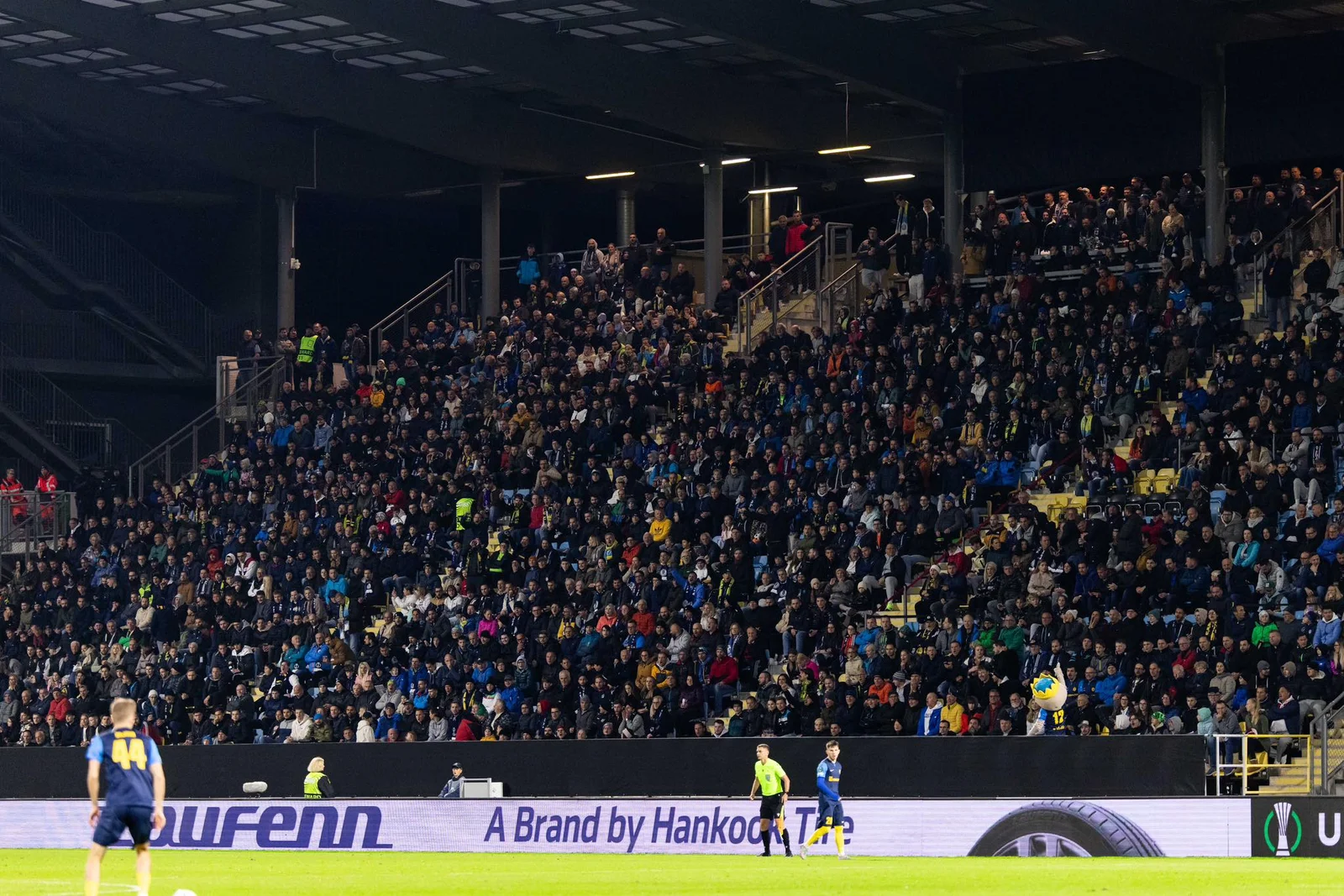
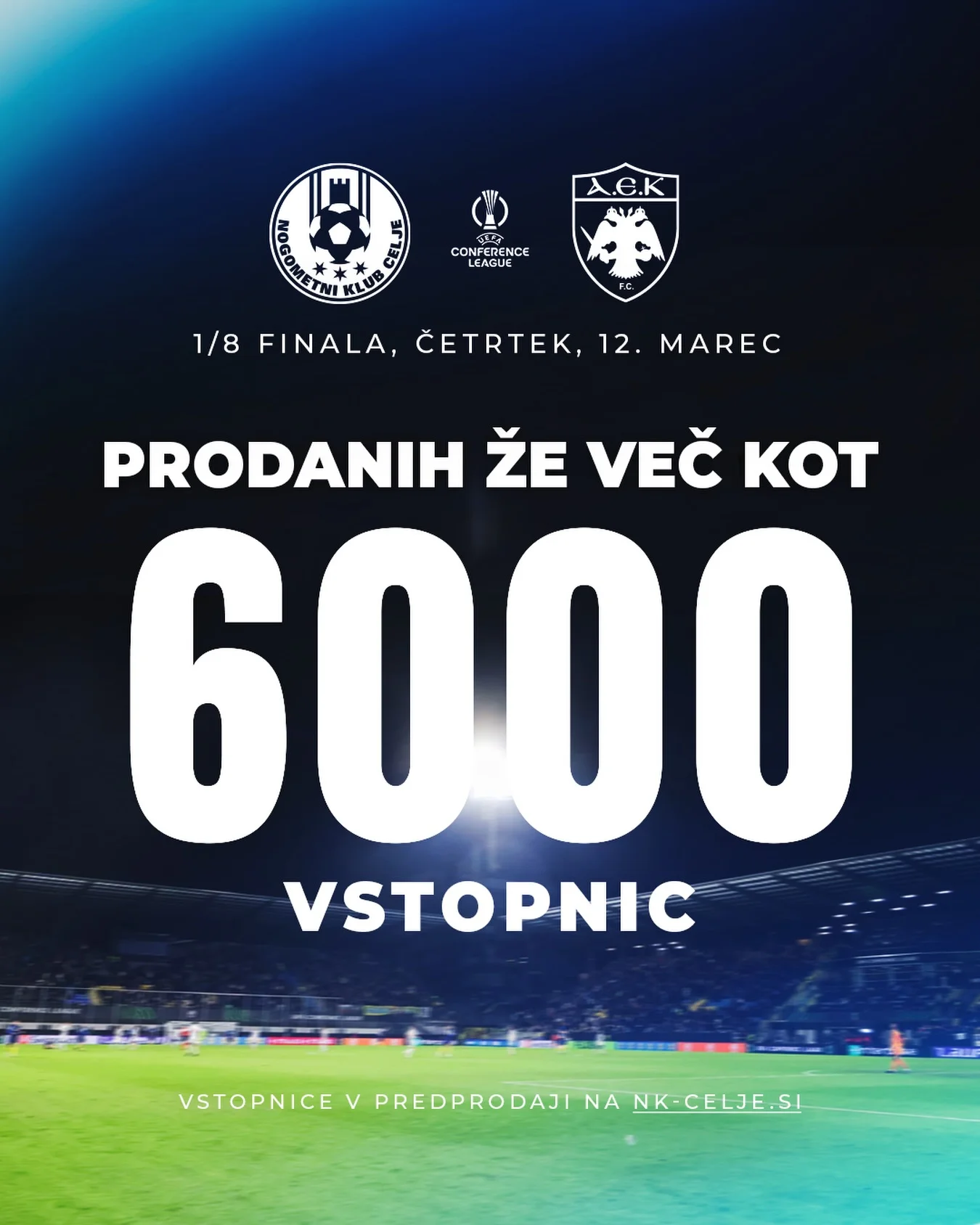
The final and perhaps most important point. When a club reaches a more serious European result, interest explodes — not only at home, but from abroad. Web traffic rises, merchandise demand spikes, and new generations of fans encounter the club for the first time.
Without infrastructure, this wave is quickly lost. People come, look around, leave. With a unified platform, the club captures these new fans. It converts them into a base, offers them products, retains them for the next match or season. European success has long-term value only if there is a system that knows how to convert interest into a lasting relationship. Without that, it remains a one-off PR effect that disappears once the European fairy tale ends.

Summary
The progress we see at NK Celje today is not only a sporting result. Behind it sits a structural shift, a move to a unified platform that enabled the creation of an ecosystem in which marketing, sales and fan-base management come together into one system. That shift is what makes cross-sell, upsell, sponsorship professionalisation possible — and above all, it means European successes do not catch the club unprepared.
Without it, the NK Celje story would probably look different today. Success on the pitch would still be there, but a large part of the business potential would get lost somewhere between a phone call to the office and an Excel spreadsheet.
Sources
Marketing magazin: NK Celje stopa v novo digitalno dobo — https://www.marketingmagazin.si/aktualno/novice/7033/nk-celje-stopa-v-novo-digitalno-dobo/novice
NK Celje: prejel nagrado za največji preboj nogometne znamke v regiji — https://www.nk-celje.si/sl/novica/nk-celje-prejel-nagrado-za-najvecji-preboj-nogometne-znamke-v-regiji-2953
Related stories
Ready for the next step?