August 7, 2026

Tolminator 2026: what ticketing looks like for an international metal crowd
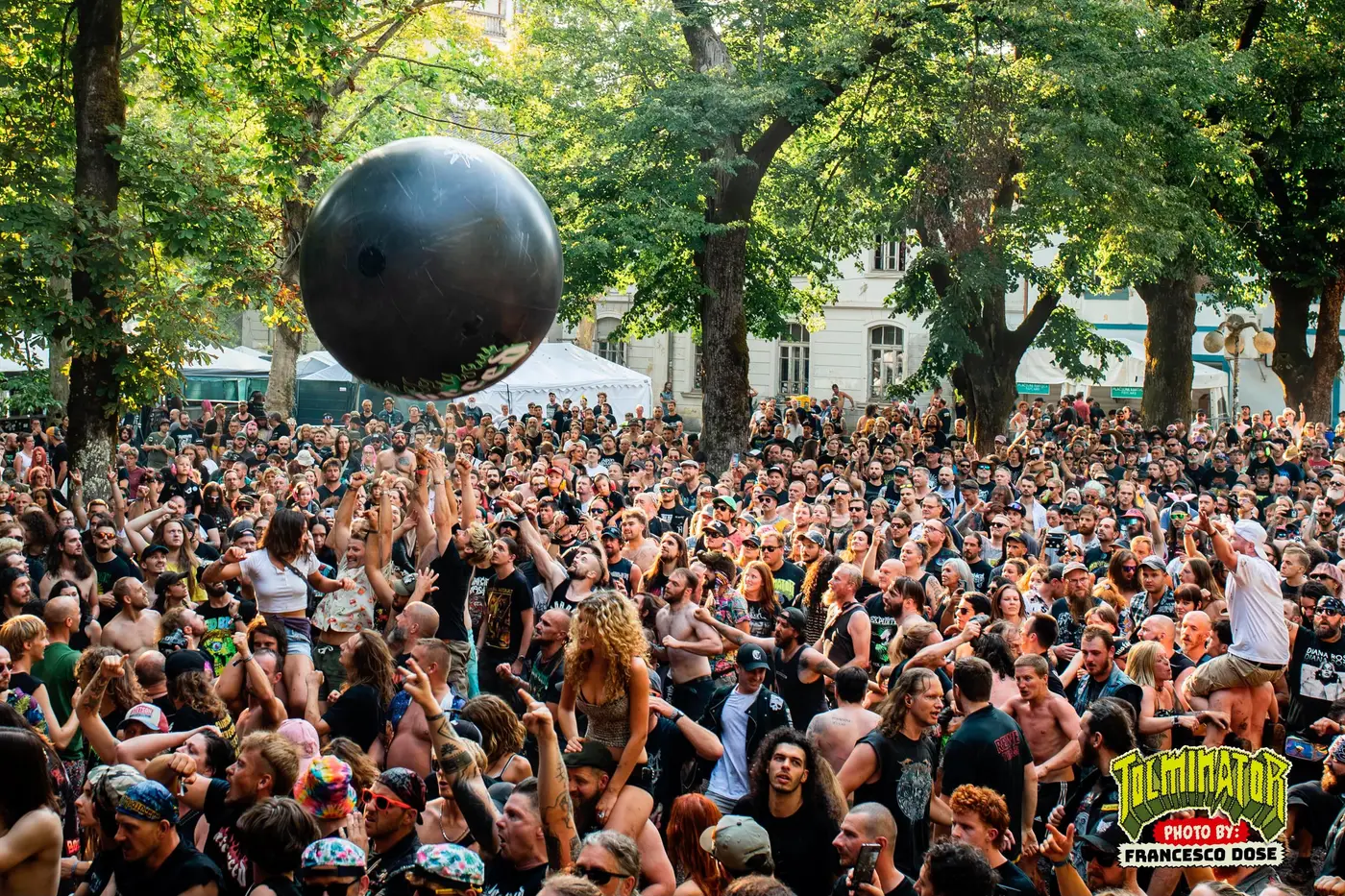
A queue at the gate does not build up evenly. It builds in waves: when a bus pulls in, when a set ends on the other stage, when it starts to rain. Between one wave and the next the gate stands almost empty, and then a few hundred people arrive within minutes and every one of them expects to be through in seconds.
Tolminator is demanding for ticketing precisely because of that rhythm. Not so much because of the total number of visitors, but because of how they arrive: in bursts, from all over Europe, with tickets bought six months earlier or that same morning, at a site where mobile coverage is never as dependable as it is in town.
For Tolminator 2026 we covered the whole path of a ticket, from the first one sold in advance to the last one scanned at the gate.
Before the gates open
A festival is sold months before the first chord. Advance sales ran online, across several price categories, and buyers came from across Europe, which means different payment habits and different expectations about when exactly the buyer gets the ticket in hand.
The organiser could see what was selling at any moment. Not once a week in a report, but as it happened. A weekly report tells you what happened. A live figure tells you what can still be changed. When one category sells faster than expected, you see it the same day and marketing can react while reacting still makes sense.
A ticket you do not have to go looking for
Every ticket sold reached the buyer digitally, at once by email, in Apple Wallet and in Google Wallet. At a festival, where the phone is in your hand anyway, the difference between a ticket in the phone wallet and a ticket somewhere in an inbox is measured in seconds at the gate, multiplied by the number of people in the queue.
Anyone who could not make it was able to pass their ticket on safely through TicketSwap. The secondary market exists whether the organiser supports it or not; the only question is whether it happens somewhere both sides are protected, or in a group on Facebook.
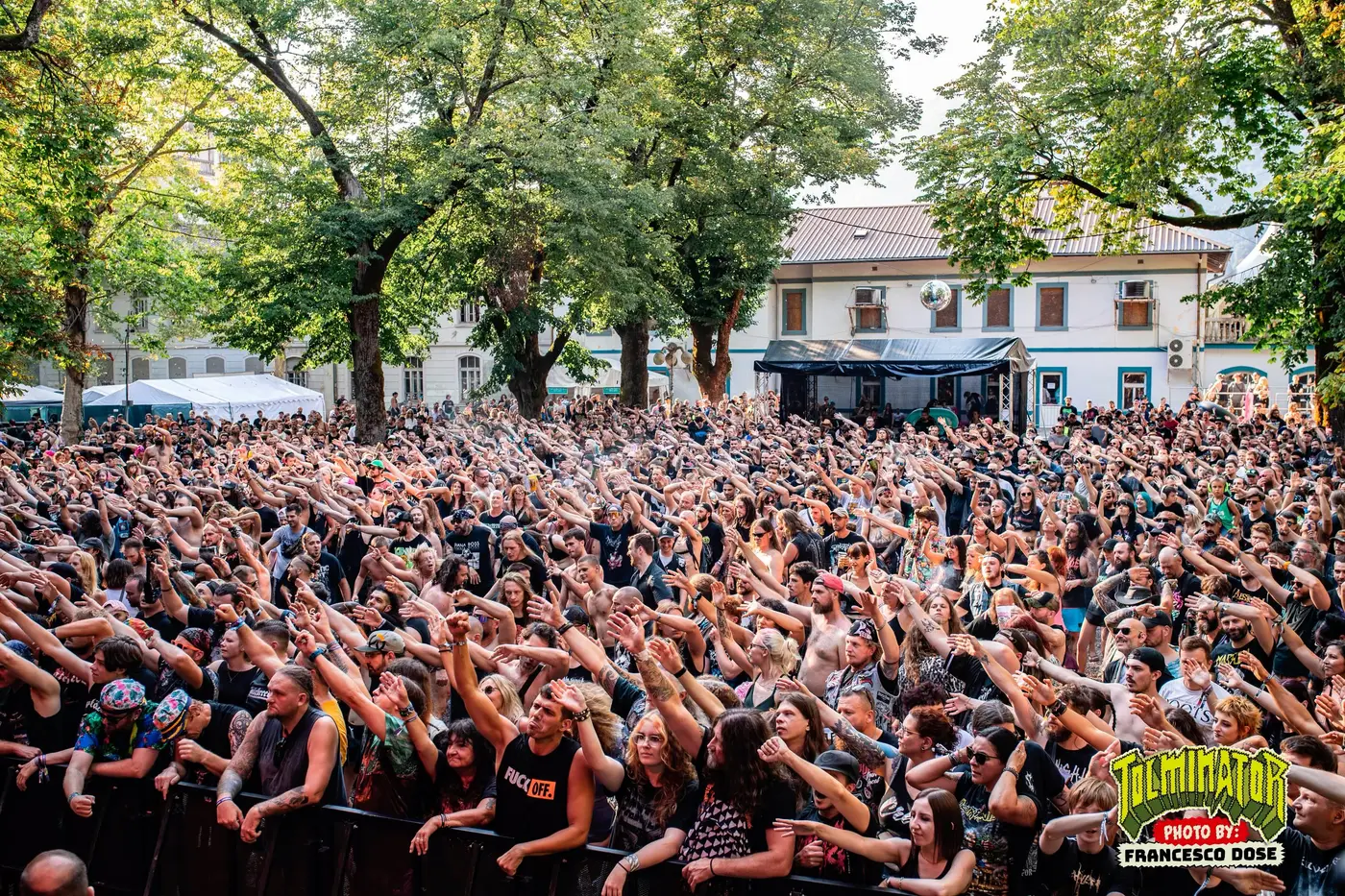
The gate
This is where it either holds together or falls apart.
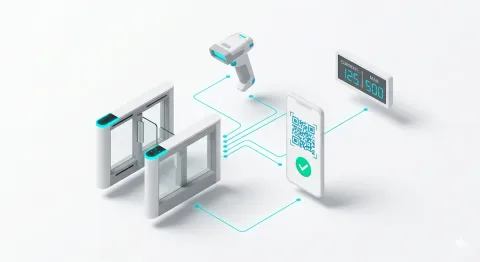
Access control ran at several entry points at once, with handheld terminals and the mobile app. The scan result appears in under 0.33 seconds and the device is ready for the next ticket immediately. To put that in context: in production our devices have reached up to 50 scans per minute on one device, and up to 12,000 visitors through the gates in a single hour.
More important than speed is what happens when the network drops. At a festival site, it drops. The app switches to offline mode by itself, validates tickets against a local database on the device and records every pass. When the connection returns, the records go to the server exactly once, with no duplicates. The steward at the gate knows nothing about any of this, and does not need to.
In parallel, the security team followed the entries live. How many people are inside, where the crowd is building, where refusals are appearing.
Someone has to be there
Technology on paper and technology at five in the afternoon at a festival gate are two different things. Our team was on site: checking the terminals and answering questions as they came up.
An organiser who knows someone from the provider is physically there can get on with running the festival instead of wondering what happens if.
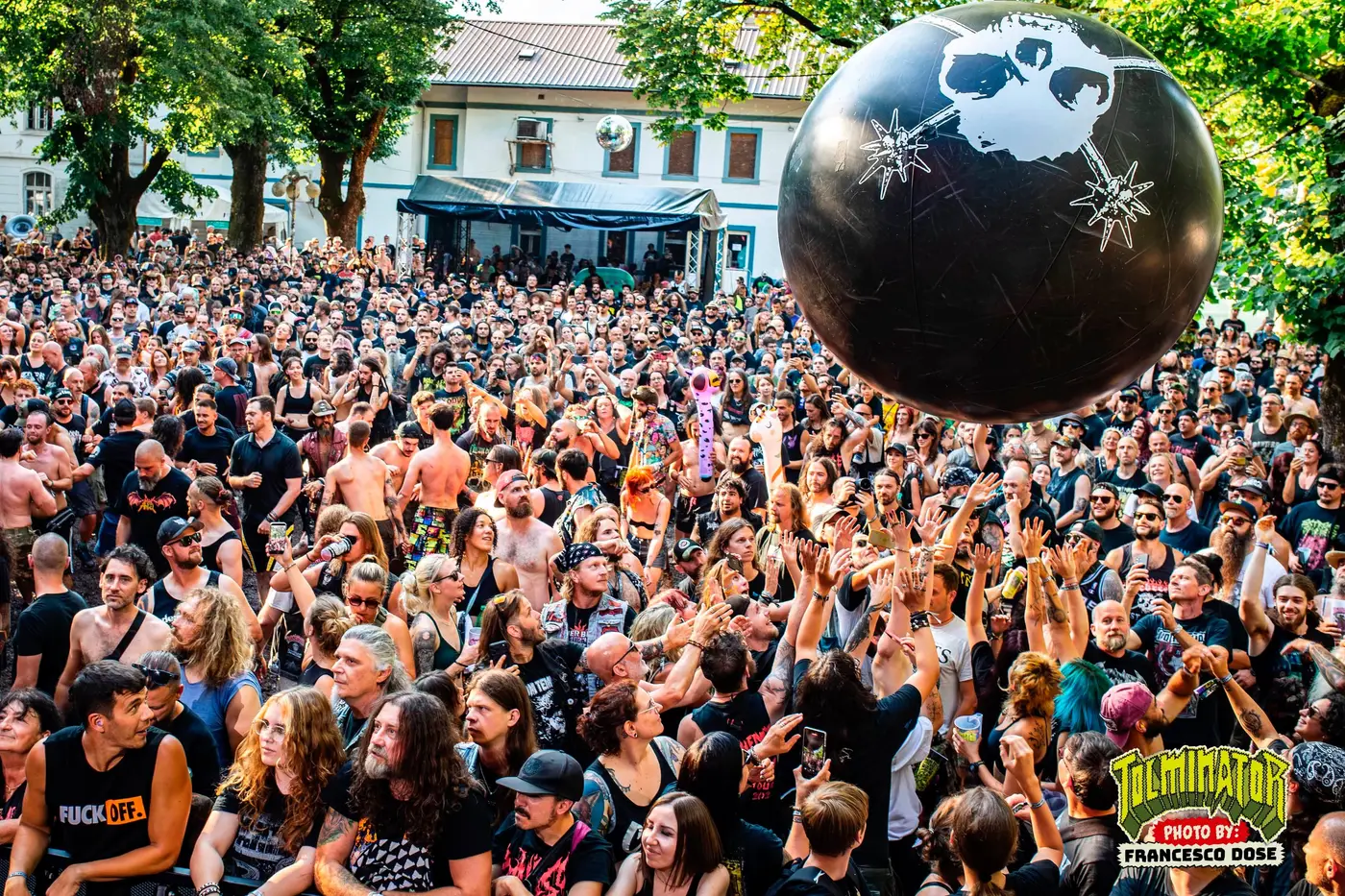
The part that is not technology
A large festival is also a financial operation. The money for production has to be there months in advance, while ticket revenue arrives gradually. With Tolminator we worked with the organiser on that side too, on the timing of payouts and on liquidity through the selling season.
A ticketing partner who understands only the technology covers half the problem.
What is left afterwards
Tolminator 2026 is behind us. Alongside the final settlement, the organiser keeps a body of data about who comes, where from, when they buy and what they buy.
If you are preparing a festival and want to see what this would look like for you, write to us: https://mojekarte.com/en/contact?intent=expert
Photos: Francesco Dose, Tolminator.
Related stories
Ready for the next step?