Investing in Your Audience Is a Long Term Investment
Challenge
Why building direct audience relationships creates advantages.
Result
Audience data ownership as a strategic asset.
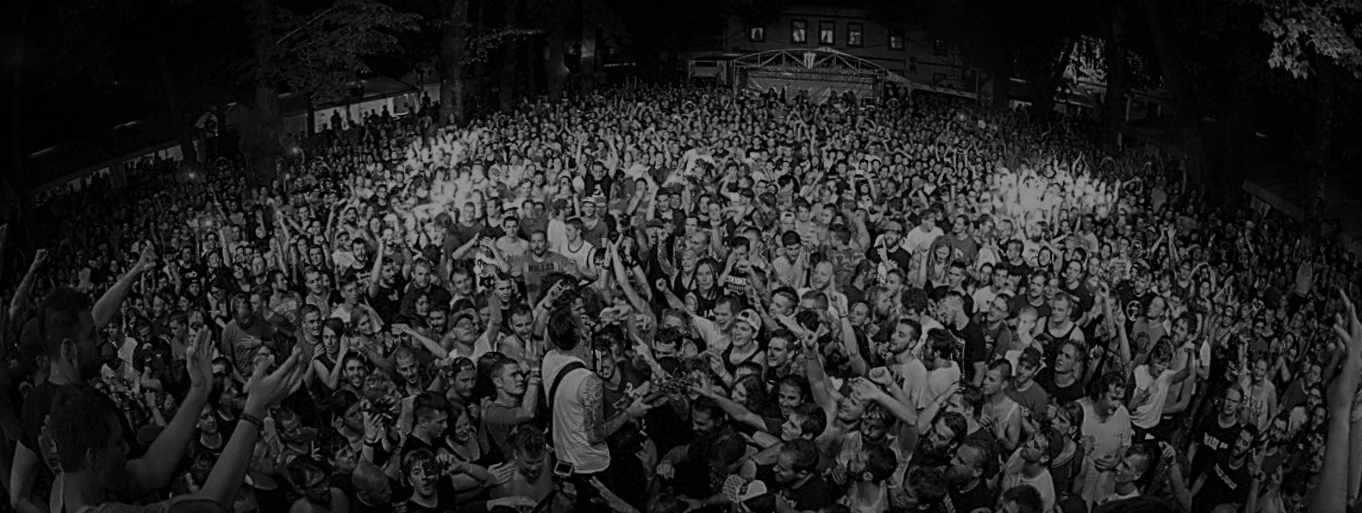
The music industry fell into a state of hibernation due to the Covid-19 pandemic. Live music venues and event spaces were among the first to close their doors, and all indications suggest they will be among the last to reopen. The industry is highly diversified, providing direct employment not only to musicians but also to managers, producers, promoters, stage crews, sound and lighting engineers, and many others.
The cultural and creative sector of the EU generates 4.4% of European GDP and employs around 12 million people. According to data from the Live DMA association, over 233,500 live music events were organized in 2017 for 56 million visitors, generating more than 2.2 billion EUR in revenue. Of this, 27% came from ticket sales, 35% from sponsorships and support, 18% from food and beverages, and 20% from other sources.
Organizing festivals is a labor-intensive project that runs every day of the year in 12-month cycles. The very day after a festival ends, organizers enter a period of preparing financial reports, evaluating performance, communicating with sponsors, and planning the next festival. In every segment of the organization, more and less intense periods alternate, but one activity runs practically without interruption: ticket sales.
Many organizers start their first sales campaigns immediately after the festival ends, and some offer tickets for the next festival at early bird prices even during the current festival. This is especially true for organizers who build and strengthen their festival brand while cultivating audience trust over the long term. Festivals that function as genuine communities of people with similar musical tastes or lifestyles are far from rare.
For organizers who build community and brand on a long-term basis, the relationship with their audience is the most valuable asset they have. Audience data, purchasing habits, preferences, and loyalty represent a strategic advantage that is built over years and is impossible to replace. The Covid-19 pandemic confirmed this further, as organizers with loyal audiences navigated the crisis more successfully.
The integrated digital platform Mojekarte once again demonstrated its flexibility and utility during the pandemic. The team behind it showed the knowledge, experience, and ability to respond quickly even to unexpected situations and to effectively resolve the challenges that arose.
Learn more about the sector
Arts and culture
Related case studies
Ready for the next step?